The sign at the edge of Monson doesn’t mess around. “There are no places to obtain supplies or get help until Abol Bridge, 100 miles north.” I’ve read those words a dozen times in trip reports. Standing in front of them with a 47-pound pack at 6:30 in the morning, they hit differently.
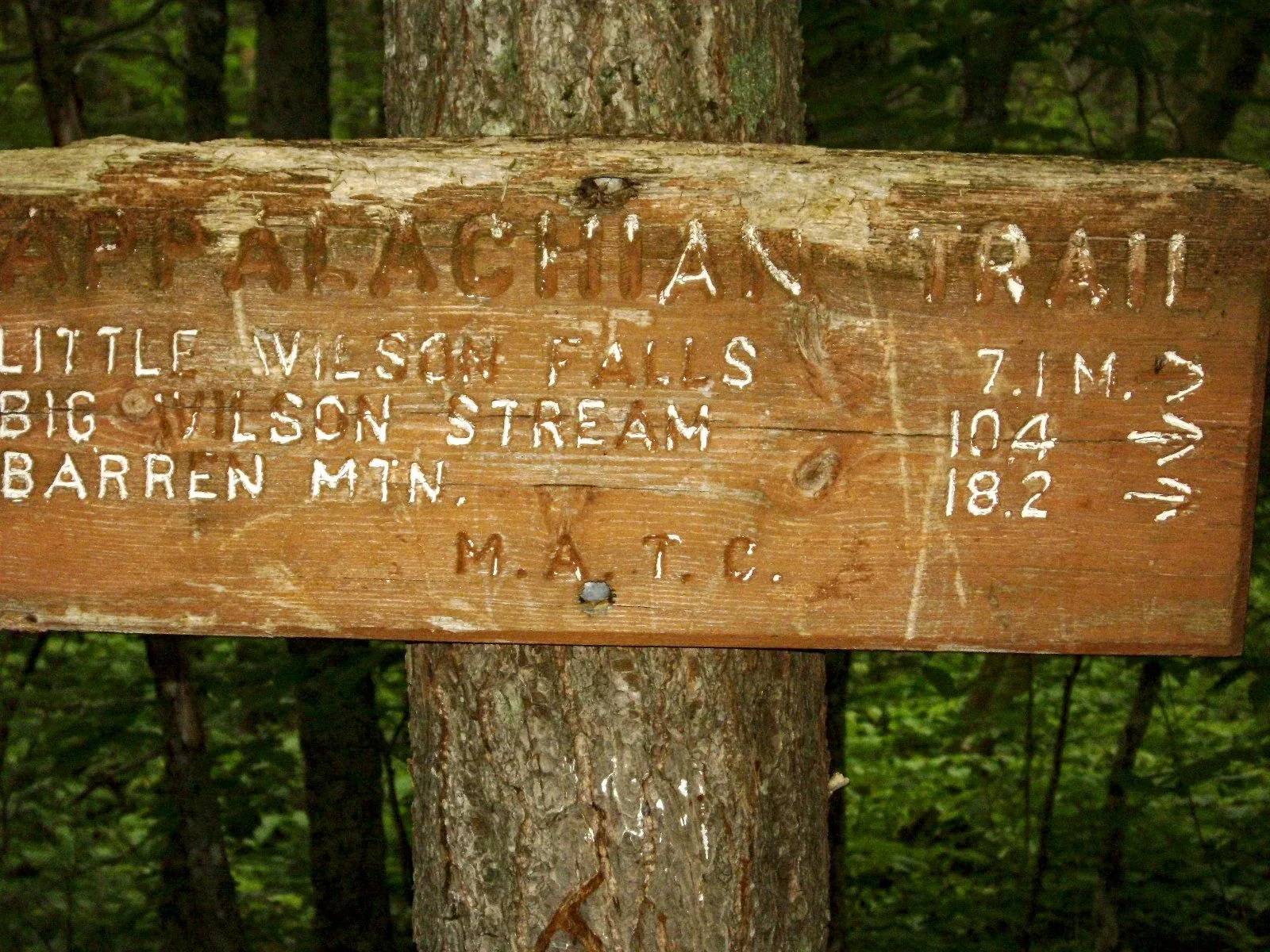
I’d been planning this for two years — and it was my second attempt. The first time I entered at Monson I made it about forty miles before my knees made the decision for me. Had to bail out at Katahdin Iron Works. My wife drove up and got me out. Different preparation this time.
Solo, late August, northbound. Ten days of food, all packed in — no resupply, no stores, nothing between Monson and Abol Bridge. Freeze-dried meals for dinners. A jar of peanut butter in the top pocket of my pack that came out at every break — calorie dense, no prep, no refrigeration. I told myself I was ready. I was mostly right.
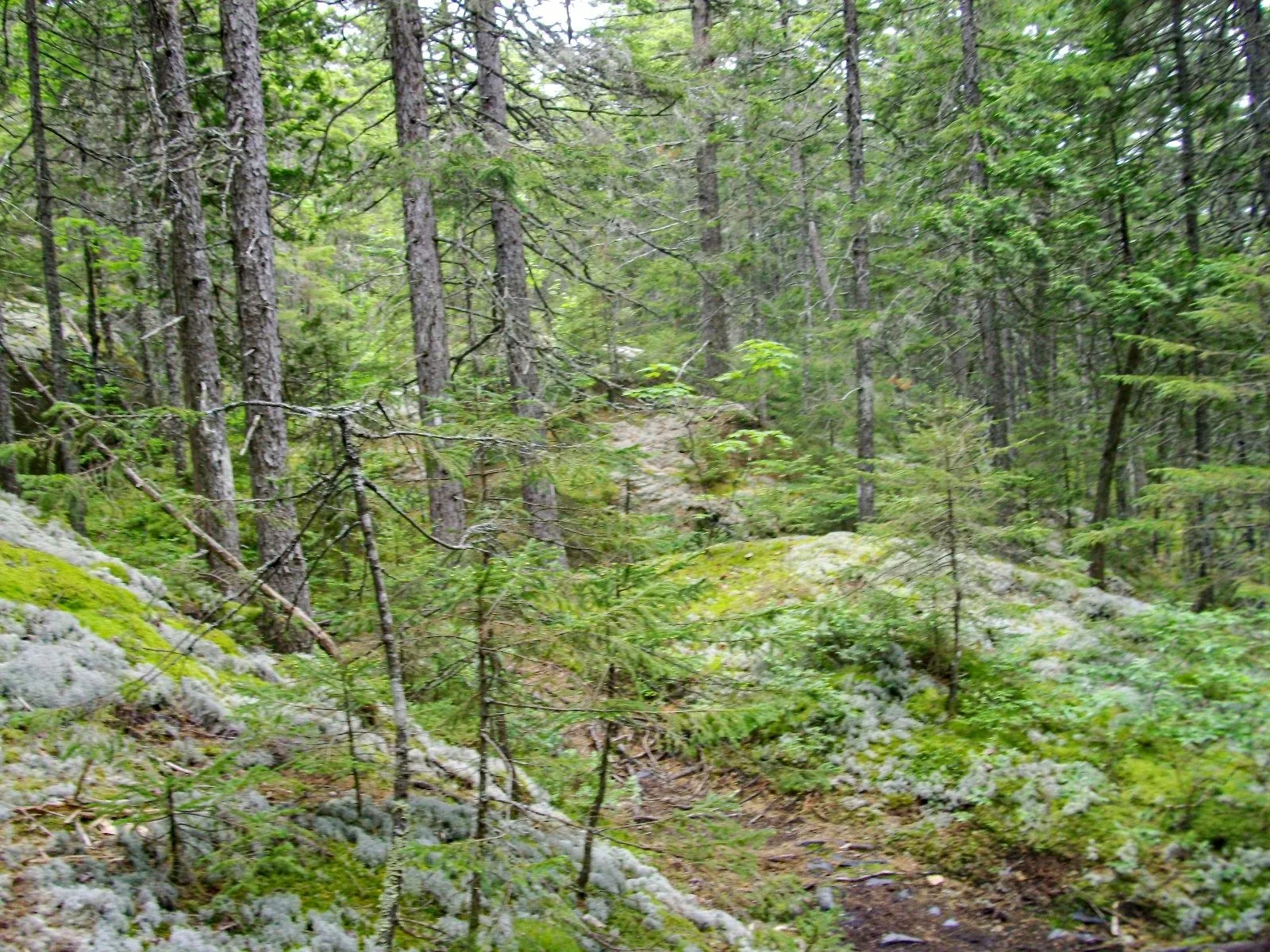
About halfway to the first lean-to — maybe two miles out of Monson — I fell in with a through-hiker named Poppins, northbound from Georgia and moving like it. We walked together for a stretch and talked food and mileage. That company was a better start than I would have had alone. Poppins pulled ahead before the lean-to and I didn’t catch up again.
Days 1–3: The Barren-Chairback Range Humbles You
Nobody talks enough about how hard the first half of the 100 Mile Wilderness is. The Barren-Chairback Range — a succession of five peaks between roughly miles 10 and 30 — is relentless. There are no views for the first day. Just forest, roots, and the growing awareness that your pack is too heavy.
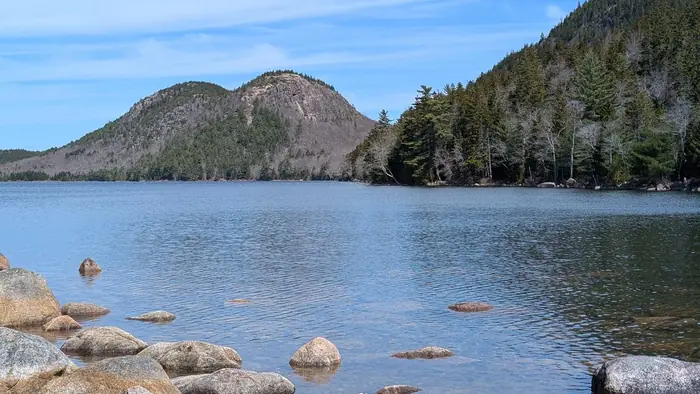
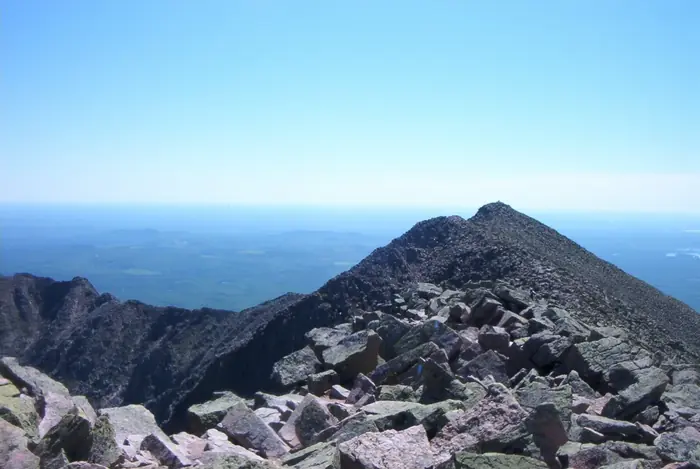
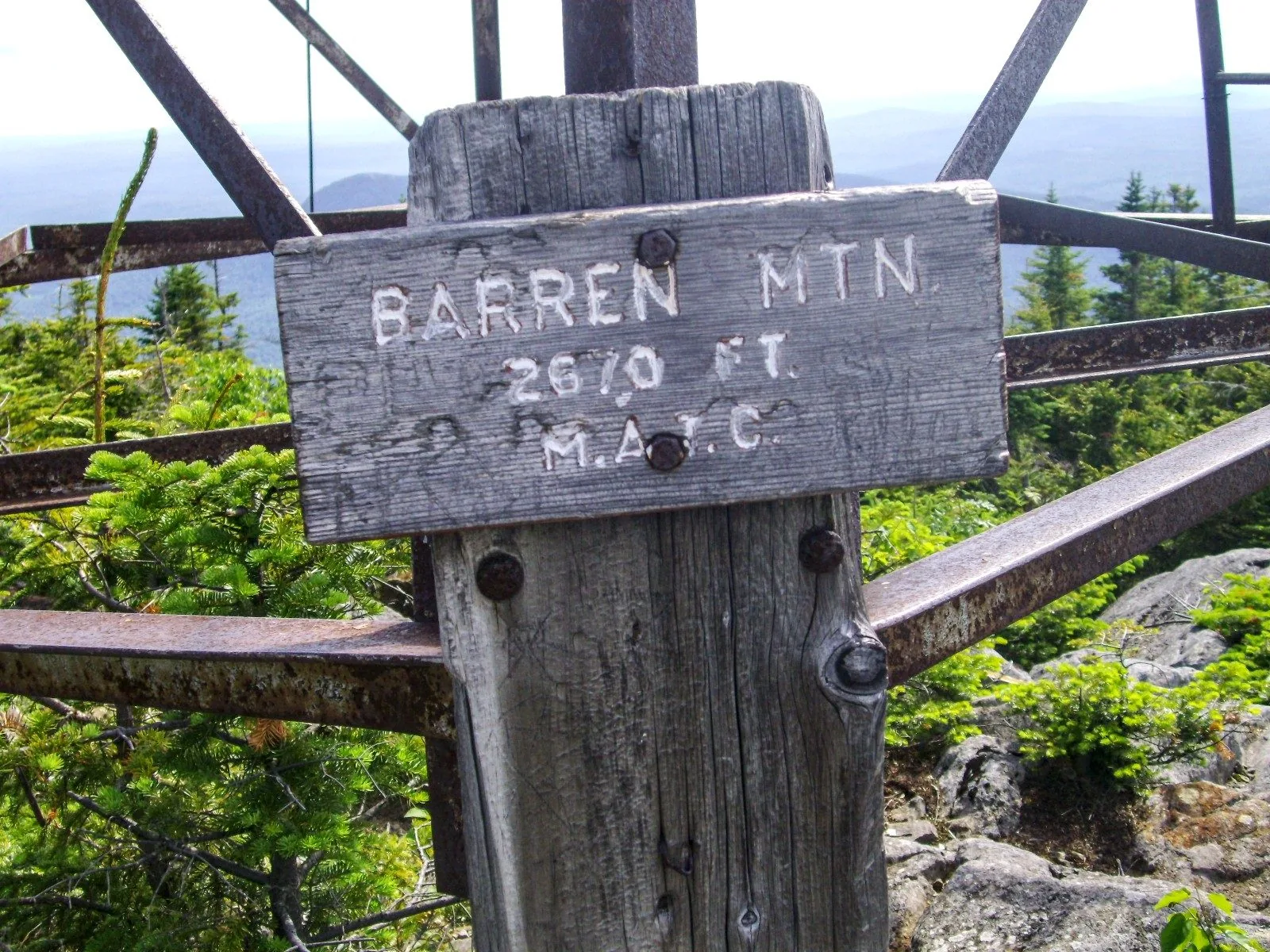
Barren Mountain is the first real summit, and the climb up from the south is longer than it looks on paper. By the time I broke out of the trees onto open ledge, my legs were already talking to me. The view north — ridge after ridge disappearing into haze — was equal parts beautiful and discouraging.
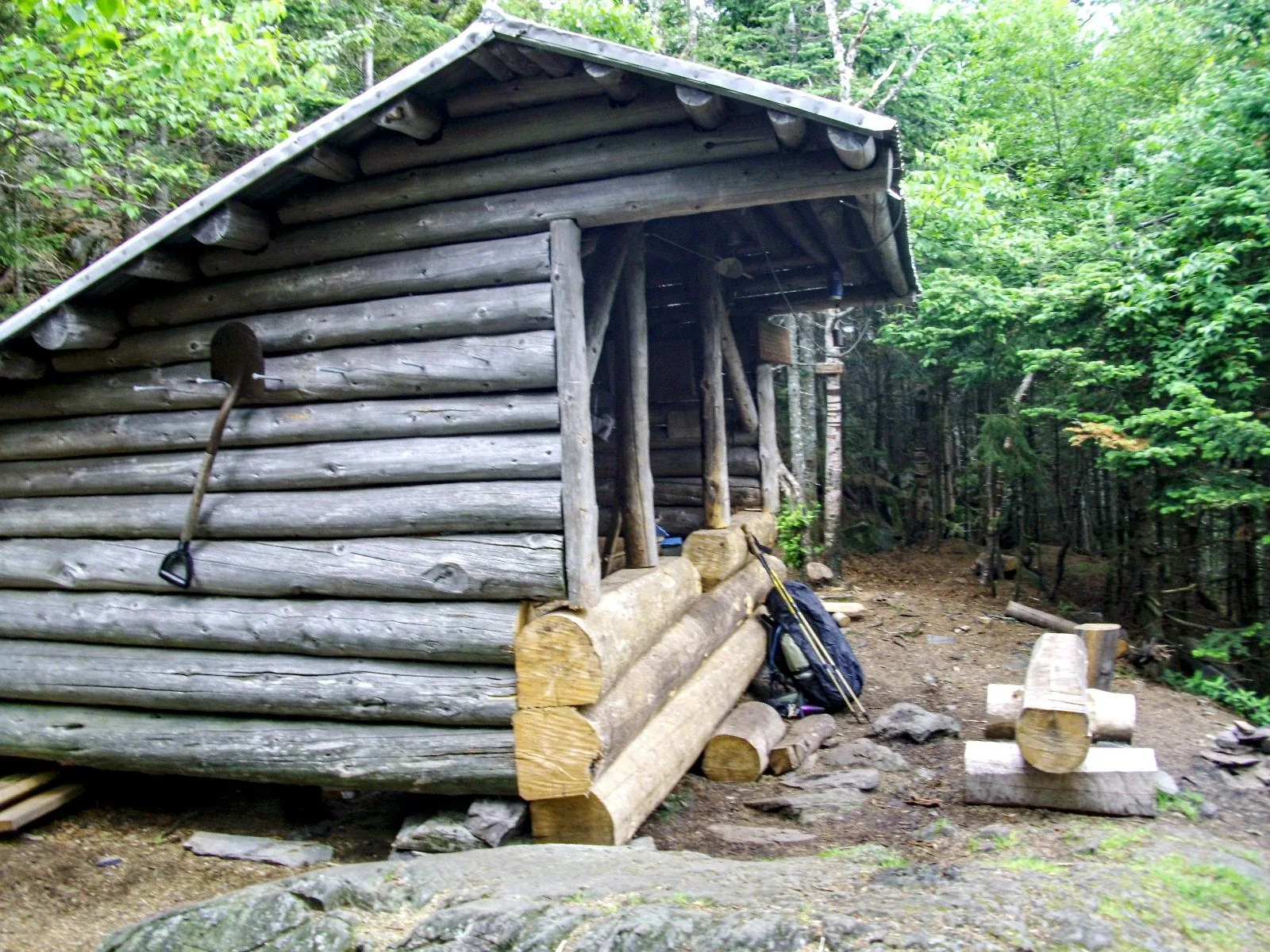
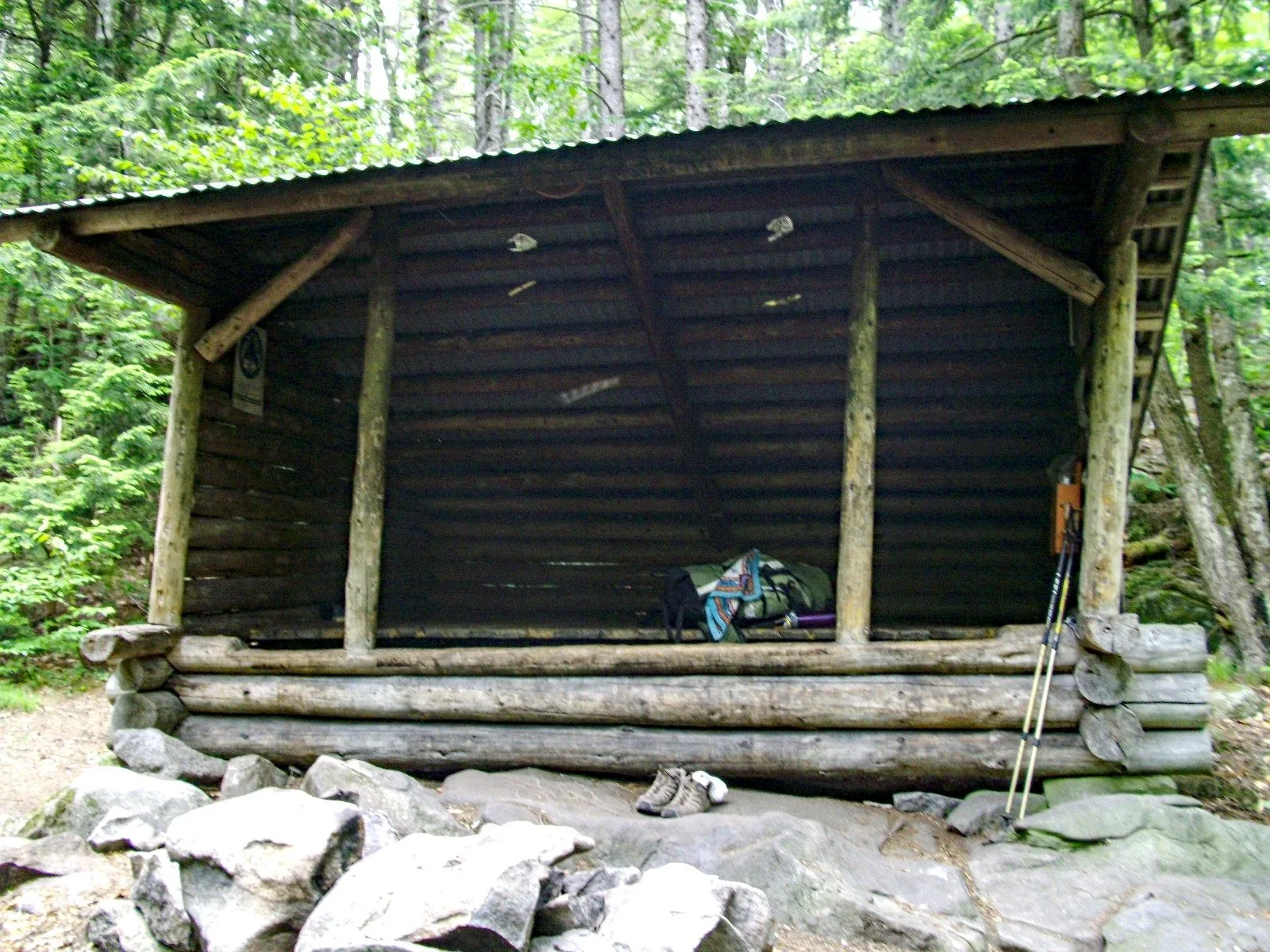
The lean-to system through this section is where you start to understand how the 100 Mile Wilderness actually works. The shelters are your whole life — where you sleep, where you cook, where you check your feet, where you talk to whoever else stumbled in before dark. Chairback Gap Lean-to is one of the better ones in this stretch: solid roof, reliable water source nearby, and a good view east in the morning.
I didn’t do the Gulf Hagas detour on this trip — a decision I’m still not sure about. The side trail adds three miles round trip off an already long day, but everyone who’s done it says the gorge is worth it. I kept moving north and told myself I’d come back.
Day 4: Wilson Falls and the First Real Exhale
Somewhere around mile 35, the trail crosses into different terrain. The brutal climb-drop-climb-drop of the Barren-Chairback gives way to more rolling forest, and you start hitting waterfalls.
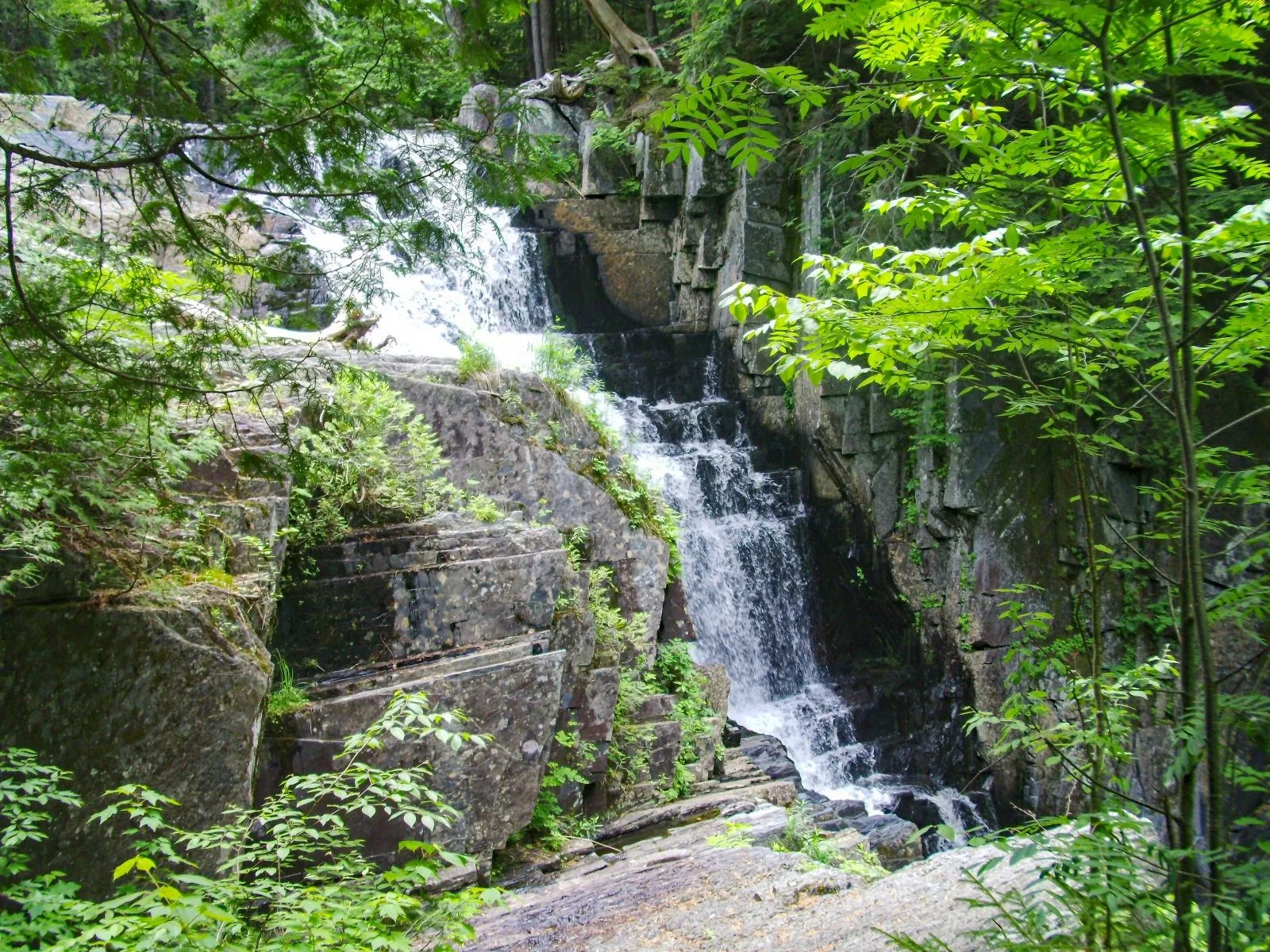
Wilson Falls was the first place on the whole trip where I stopped moving and just sat. A legitimate cascade, clean water, nobody else around. I ate lunch on a rock in the middle of the stream with my boots off and didn’t think about miles for a while. That felt important.
Day 5: White Cap Changes Everything
I knew White Cap Mountain was the high point of the Wilderness. What I didn’t fully appreciate was what it means emotionally.
The climb up is steep and takes most of the morning. I was in a foul mood — a wet night, a blister on my left heel, coffee that tasted like iodine. I was grinding. And then I stepped onto the summit and stopped.
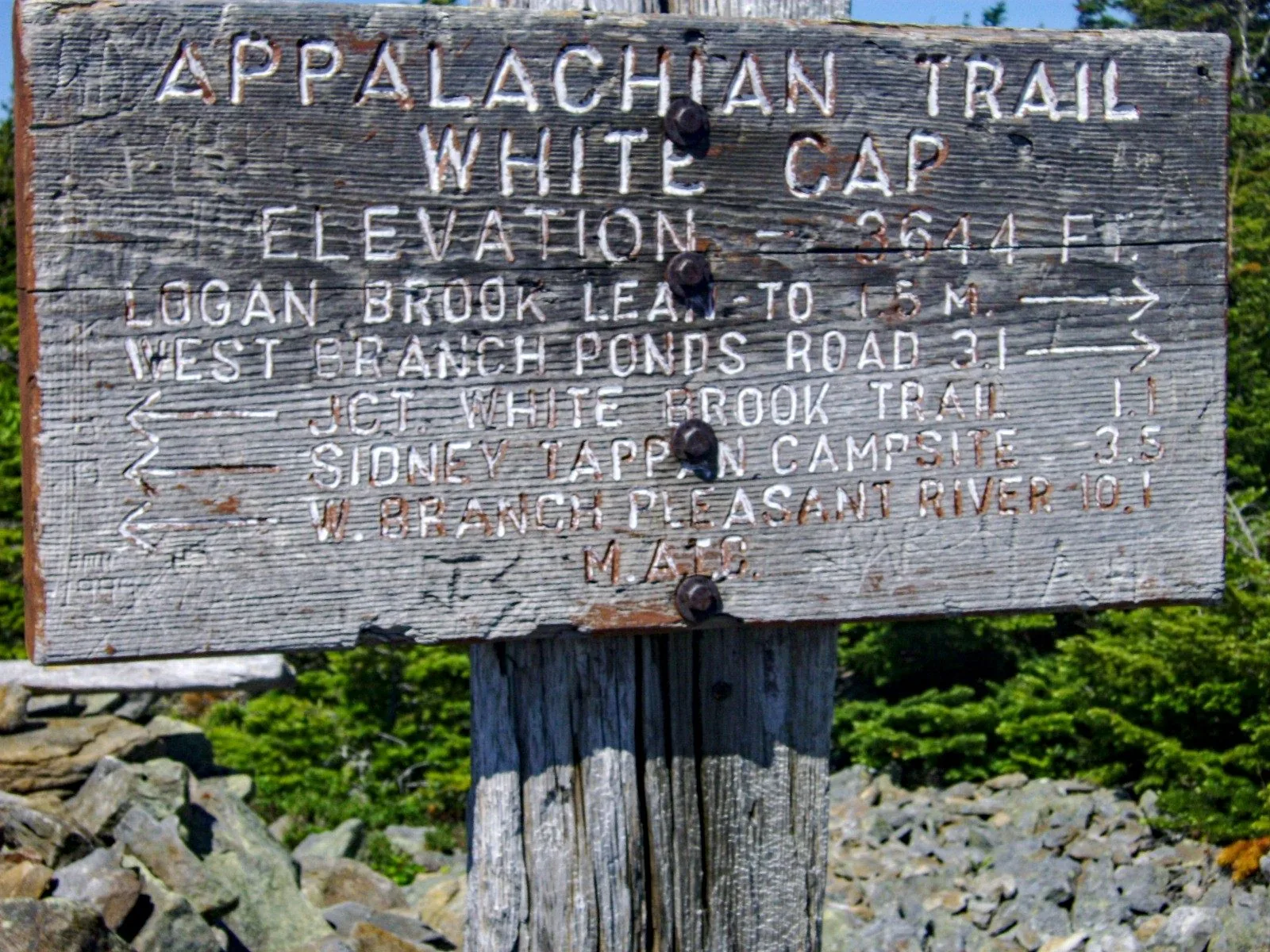
Katahdin. Sixty miles north. Unmistakable — that flat-topped massif sitting above everything else on the horizon. I’d been walking toward it for five days without being able to see it. And there it was.
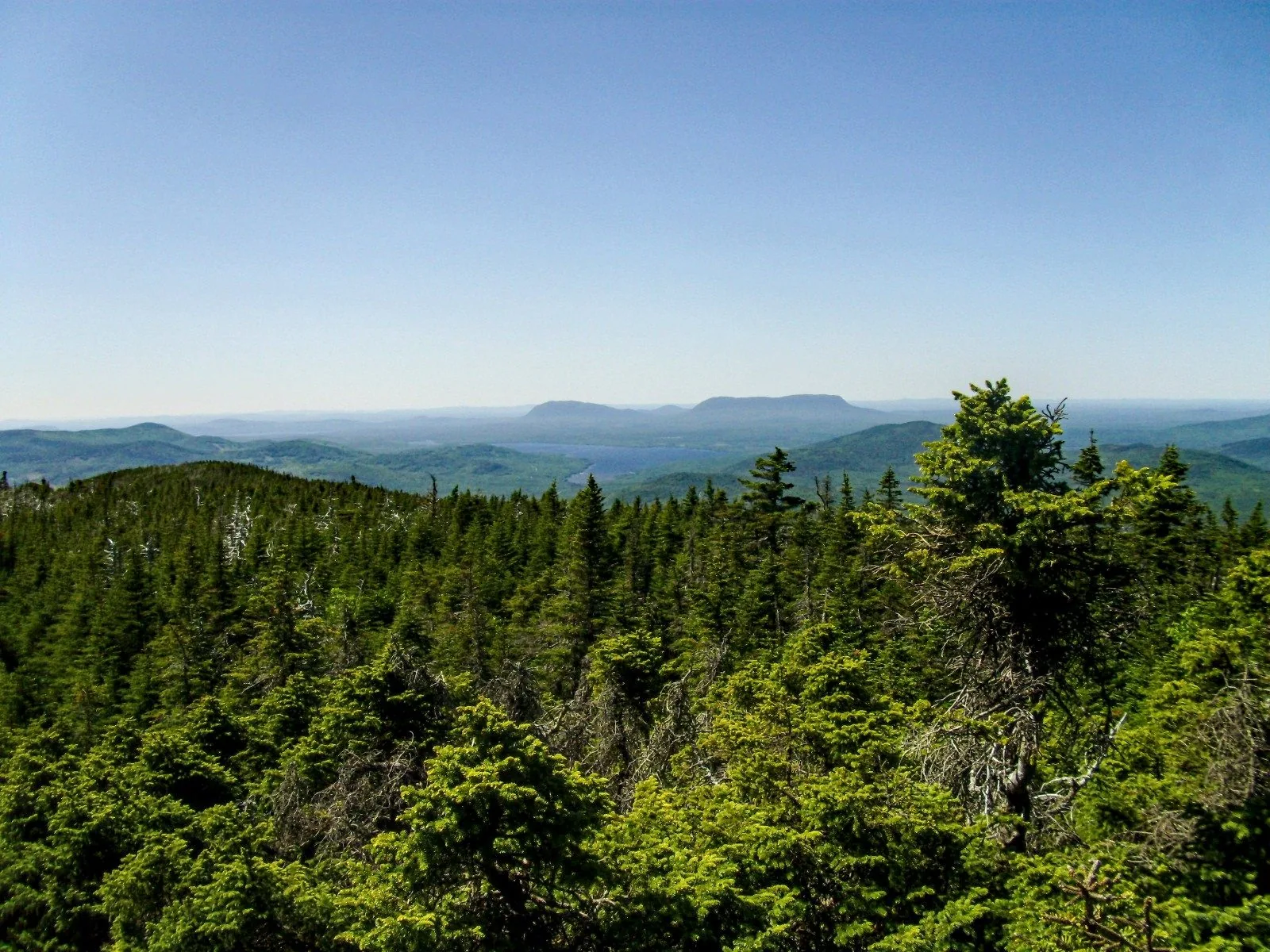
I sat on that summit for forty-five minutes. Ate the last of my good food. Took too many photos. A thunderstorm was building to the west and I didn’t care. The second half of the Wilderness suddenly felt possible in a way it hadn’t before.
Days 6–7: The Northern Grind
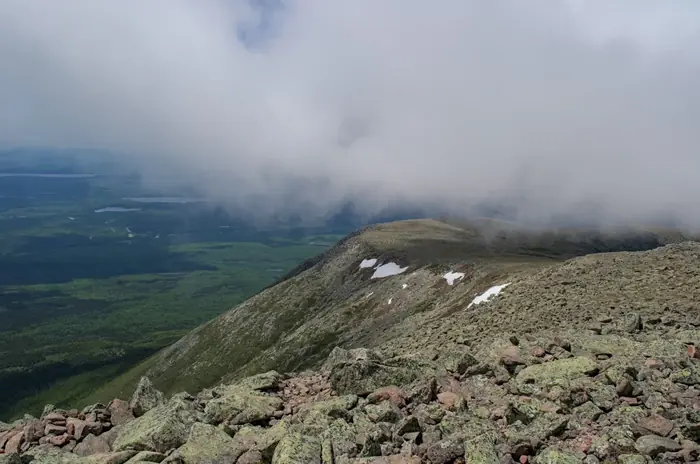
North of White Cap the trail changes character. The big summits are behind you. What you get instead is boggy lowland, river crossings, and a hundred shades of spruce. It’s slower going than it looks on paper and it requires a different kind of patience.
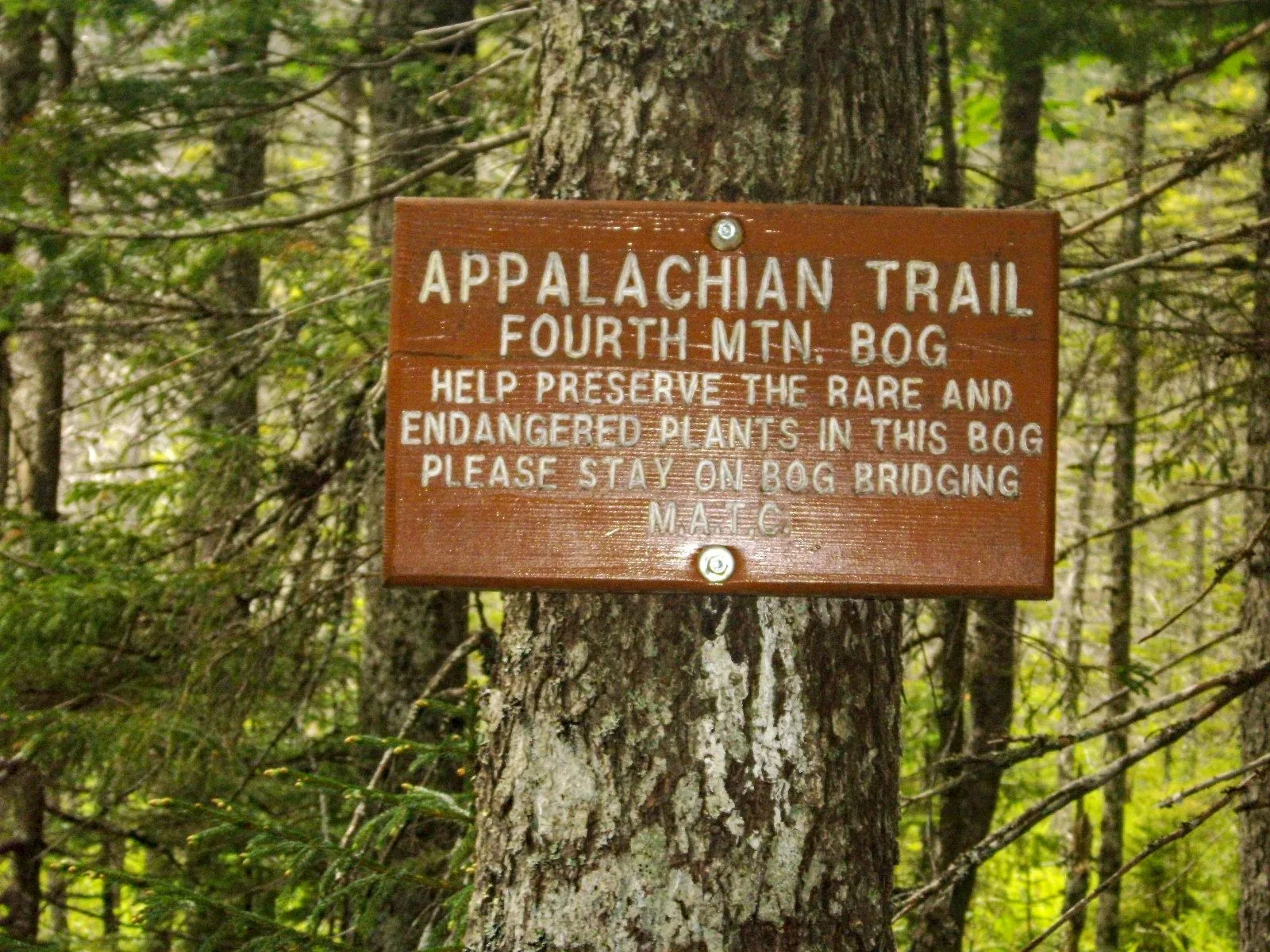
The bogs are moose territory. I saw three in the first two days north of White Cap — all in the morning, all near water. The boardwalks through the worst of the wet sections are MATC work, and you’re grateful for every plank.
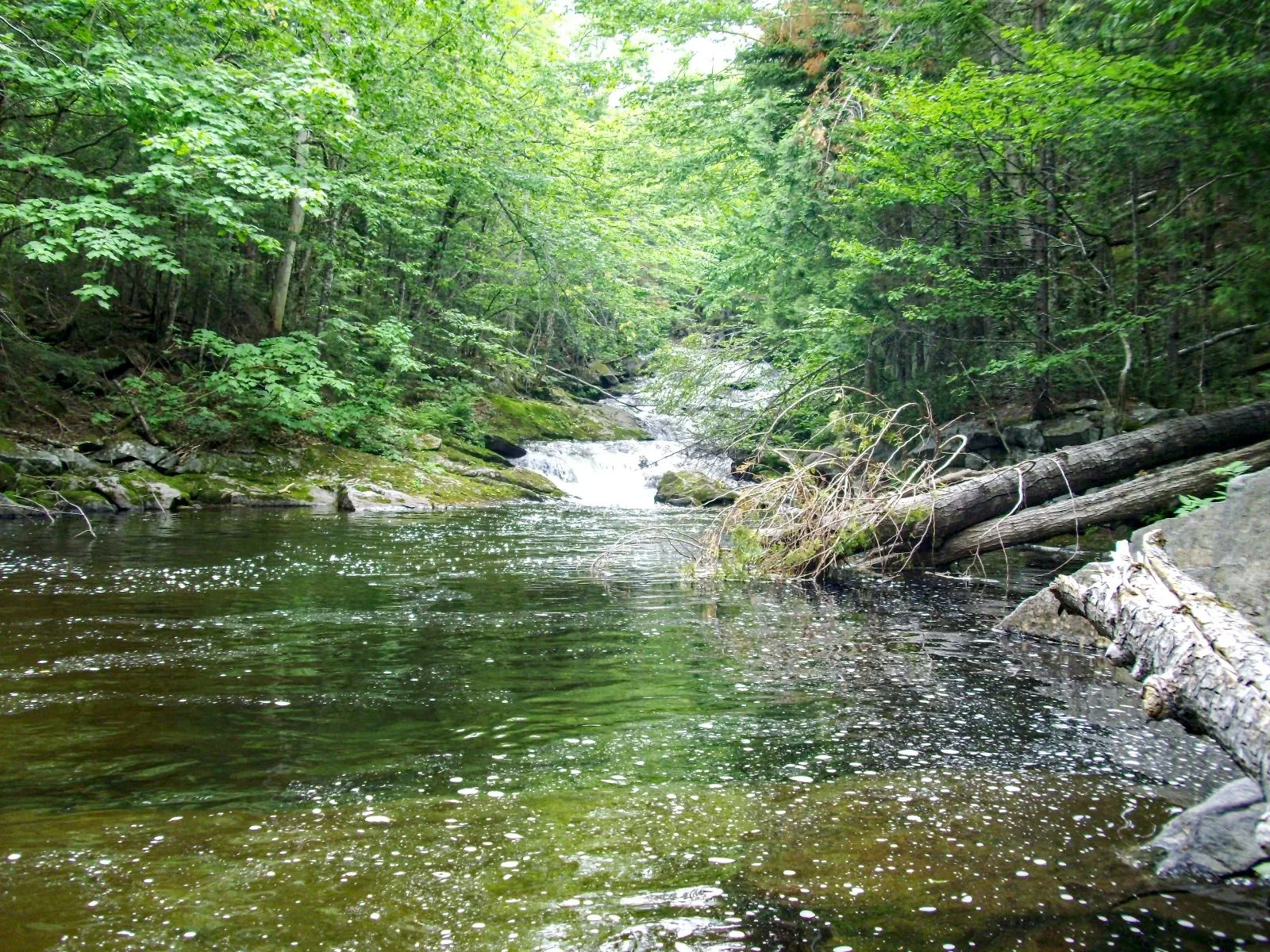
Cooper Brook Falls is the best campsite in the 100 Mile Wilderness. I’ll stand behind that. The falls themselves are a legitimate swimming hole — waist deep, cold, perfect after seven days of wet-wipe showers. The lean-to sits back from the water just far enough to feel sheltered. I got there at 3pm and didn’t move again until morning.
Day 8: Nesuntabunt and the Lake Country
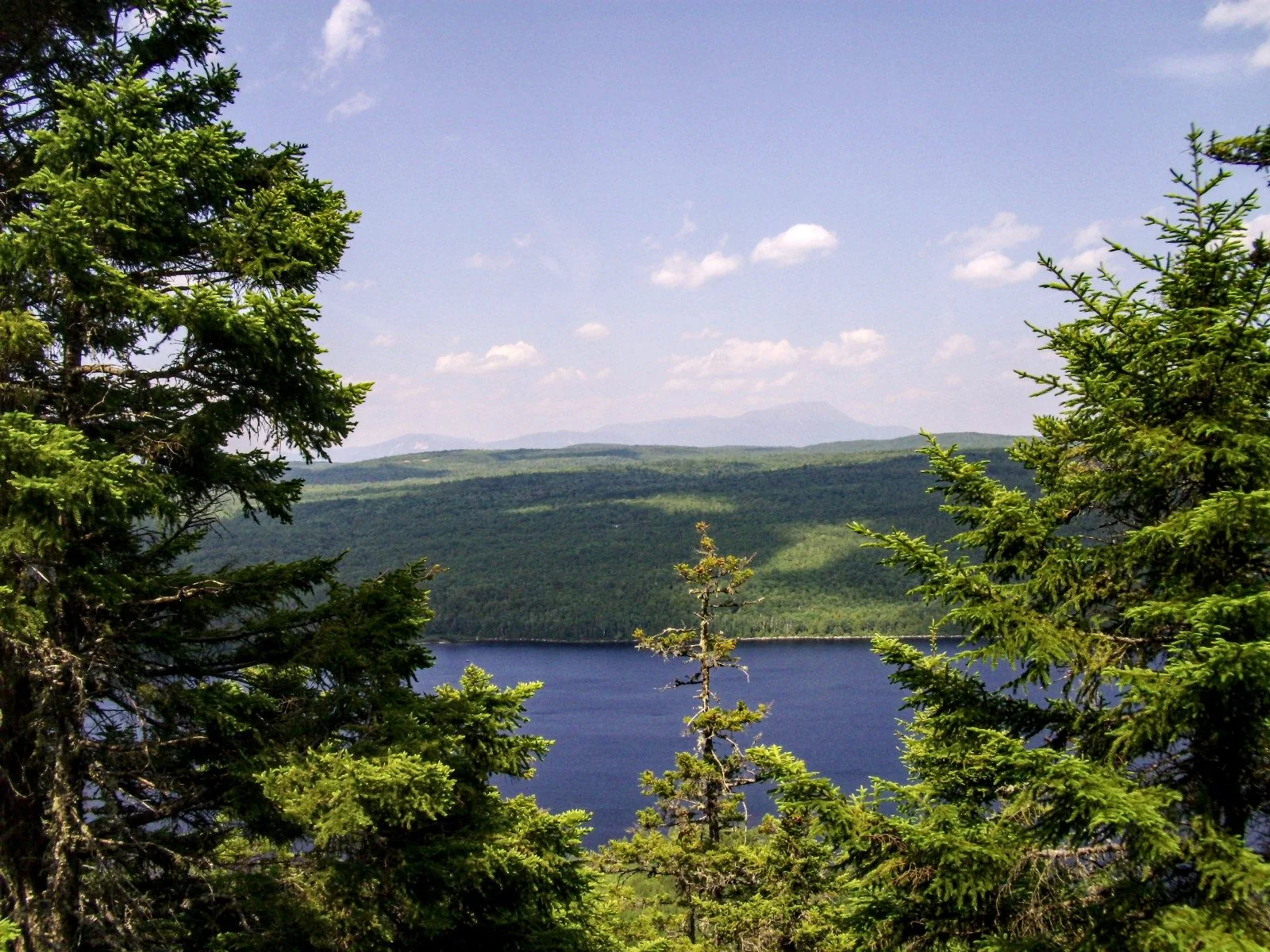
The final stretch before Abol Bridge runs through lake country — Nahmakanta, Rainbow, a dozen smaller ponds — and the character shifts again. The forest opens up. You can see sky.
Nesuntabunt Mountain is a short climb that most people skip because they’re in a hurry to finish. Don’t skip it. The view south over Nahmakanta Lake is the kind of thing you’d drive four hours to see on a day hike. At this point in the trip it felt almost unfair.
Day 9: Abol Bridge
The sign for Abol Bridge appears when you’ve stopped expecting it. Six miles out, then five, then the trees thin and you can smell the Penobscot and hear a truck on the road.
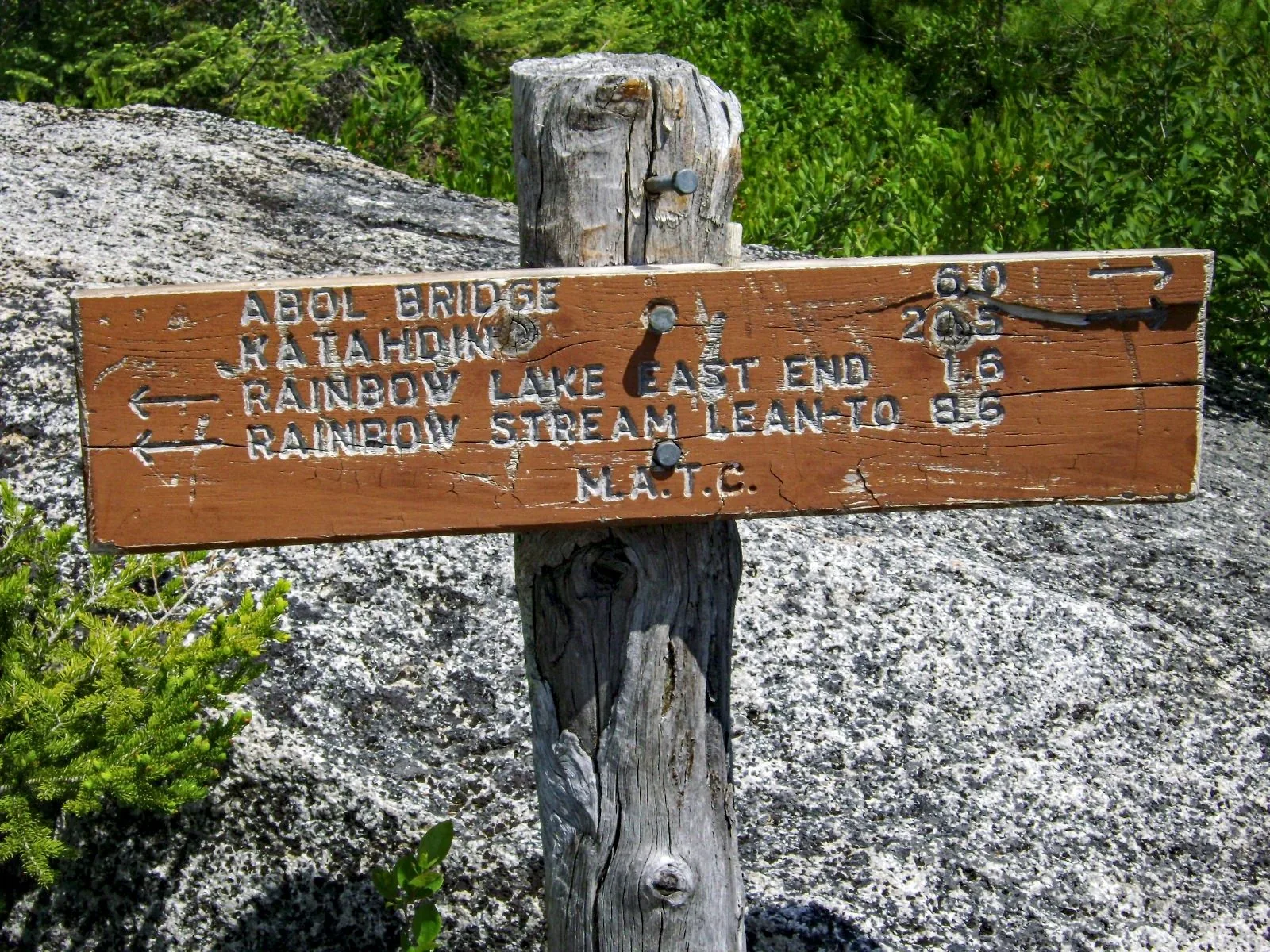
My pack weighed maybe half what it had at the Monson sign. Ten days of food disappears one meal at a time and you feel every pound leave.
I camped one last night at Abol Campground. Woke up before anyone else and walked down to the water.
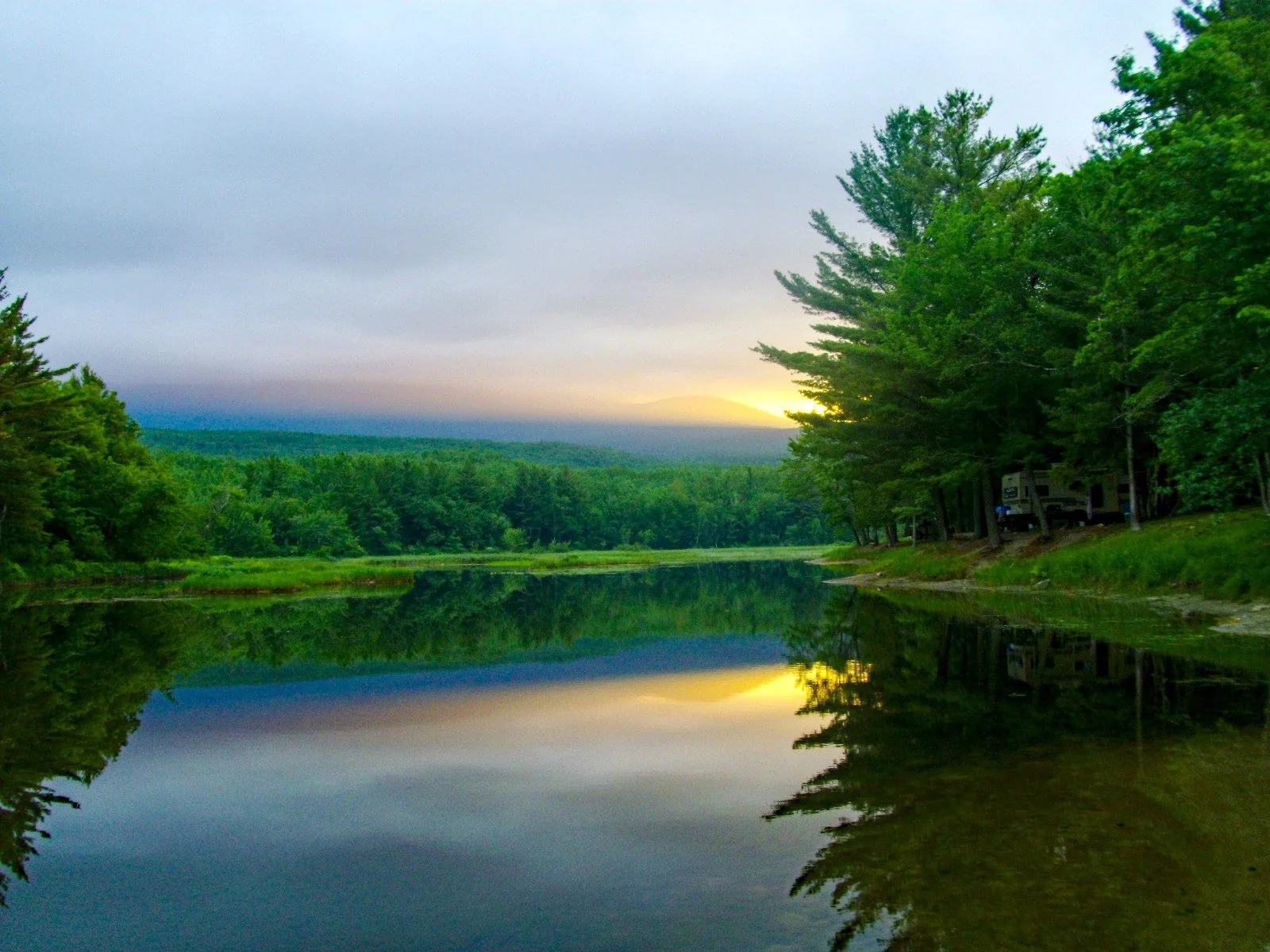
I won’t pretend I felt purely triumphant walking out. Mostly I felt tired and hungry and ready for a shower. But standing on the bridge looking back south — knowing what was in there — that part was good.
The 100 Mile Wilderness is not a bucket list item to knock off. It’s nine days of genuine remoteness in a state that still has room for that kind of thing. Maine earns it. I’ve since done it two more times. It’s different every trip.
Hiked late August. 9 days, solo northbound. Pack started at 47 lbs including 10 days of food — carried out with extras. Boots: Salomon X Ultra 4 Mid. No cell service Monson to roughly mile 80.